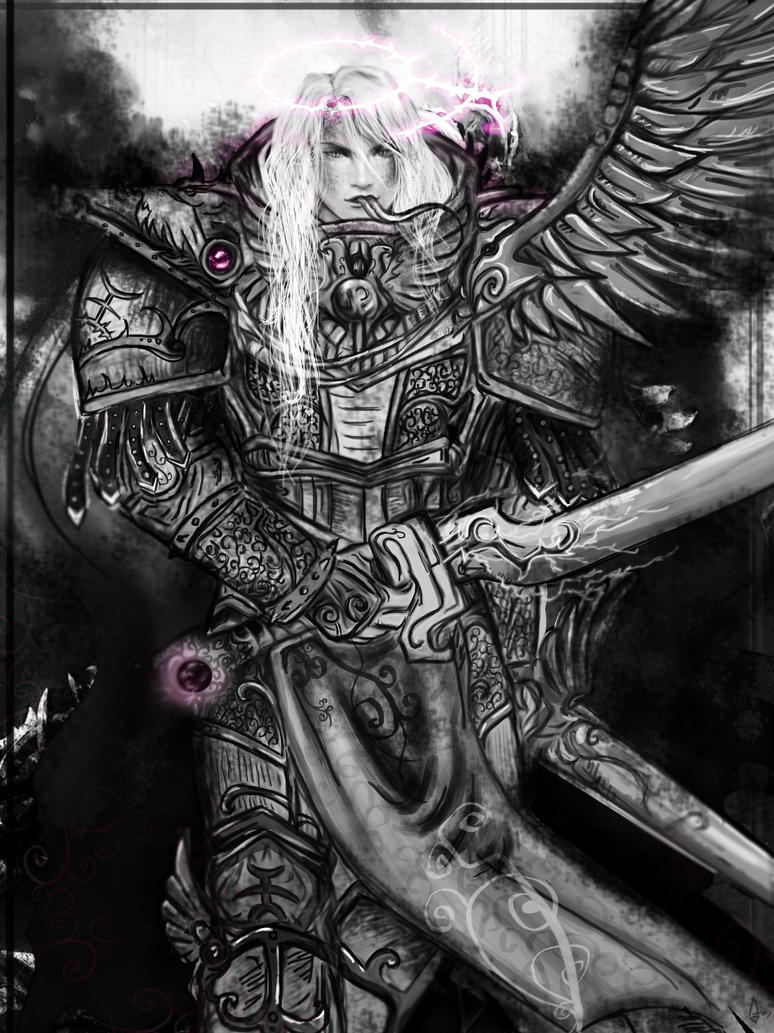
Chemos was once the homeworld of the
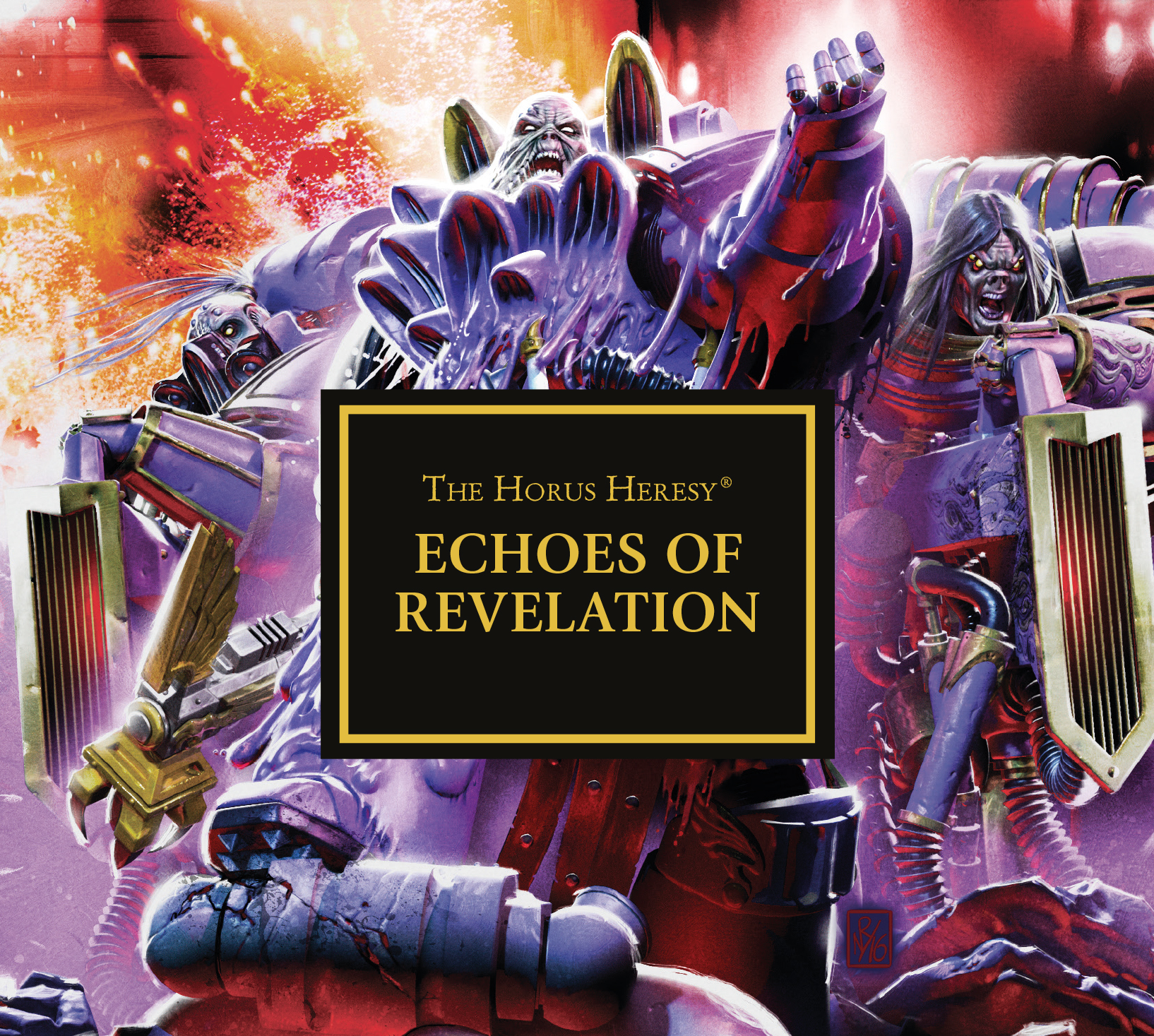
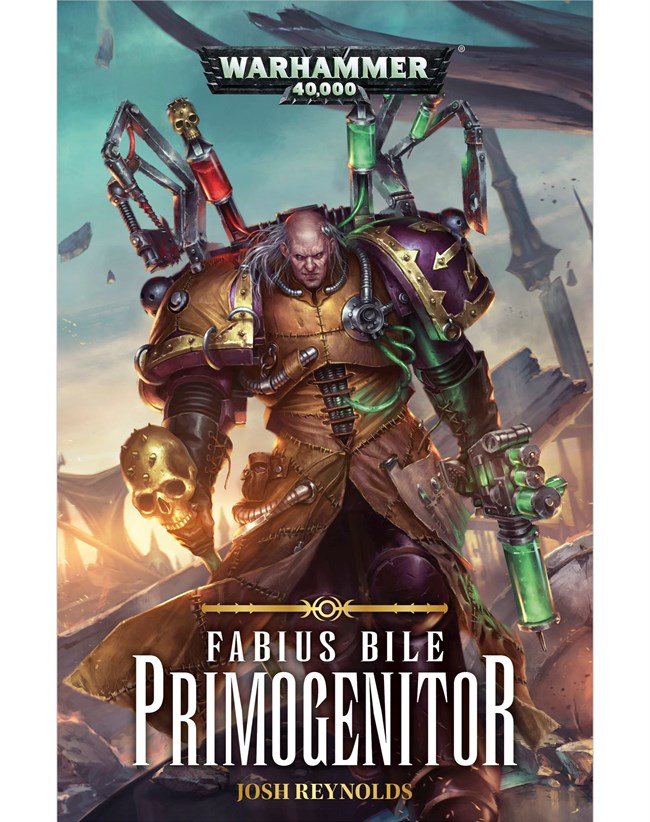
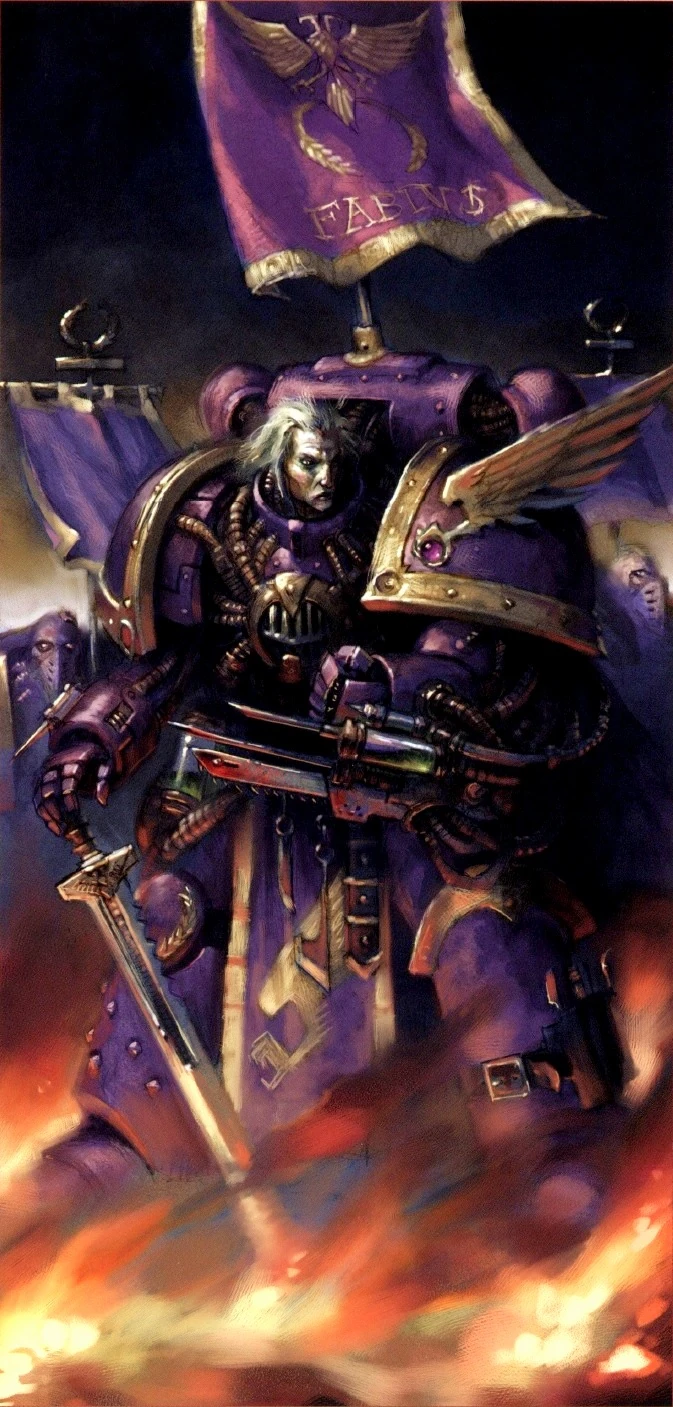
Emperor's Children Traitor Legion before their corruption by the
Chaos God Slaanesh and betrayal of the
Emperor of Mankind during the
Horus Heresy. Chemos was also the planet where the Emperor's Children's
Primarch Fulgrim was discovered by the Emperor during the
Great Crusade.
In ancient days it was classified as a Mining World. By the time of the Great Crusade it was classified as a
Civilised World, but following its scouring after the Horus Heresy by the Loyalist forces of the Imperium, it is now a
Dead World, wiped clean of all life.
At first glance, one might assume that the name Chemos is derived from the word "
Chemical" as a nod to its past barren and hostile environment.
However there is another potential meaning to the name. Milton's
Paradise Lost Book I mentions a deity named Chemos as being synonymous with
Baal Peor and
Priapus as the deity of turpitude.
"Next Chemos, th' obscene dread of Moab's sons,
From Aroar to Nebo and the wild
Of southmost Abarim; in Hesebon
And Horonaim, Seon's real, beyond
The flowery dale of Sibma clad with vines,
And Eleale to th' Asphaltic Pool:
Peor his other name, when he enticed
Israel in Sittim, on their march from Nile,
To do him wanton rites, which cost them woe.
Yet thence his lustful orgies he enlarged
Even to that hill of scandal, by the grove
Of Moloch homicide, lust hard by hate,
Till good Josiah drove them thence to Hell."
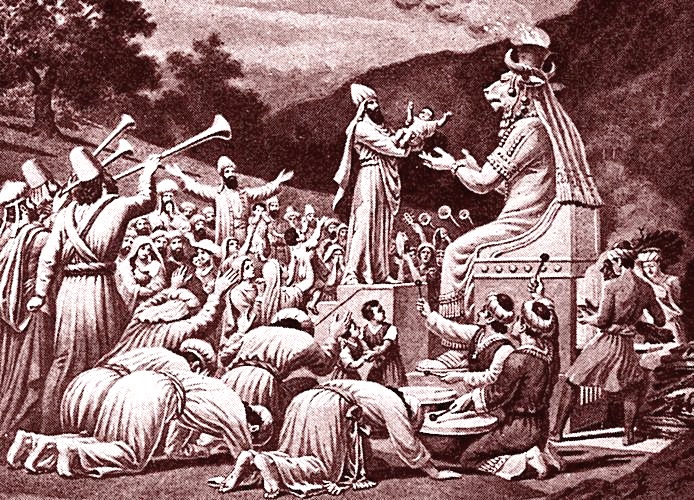
The name Chemos refers to the biblical
Chemosh. In the
Hebrew Bible, Chemosh was the
god of the
Moabites (Num. 21:29; Jer. 48:7, 13, 46). Moab was a land in Jordan very close to Phoenicia, a nation with many
symbolic ties with the Emperor's Children, including the royal purple and the mythology of the fiery self immolating bird.
Chemosh was the national deity of the Moabites whose name most likely meant "destroyer," "subduer," or "fish god." While he is most readily associated with the Moabites, according to Judges 11:24 he seems to have been the national deity of the
Ammonites as well, where he may have been the same or different from
Moloch. According to the biblical account, Moab and
Ammon were born to
Lot and Lot's elder and younger daughters, respectively, in the aftermath of the destruction of
Sodom and Gomorrah. The Bible in
Genesis 19:37-38 refers to both the Moabites and Ammonites as Lot's sons, born of incest with his daughters.
According to the
Hebrew Bible, the worship of this god, "the abomination of Moab," was introduced at
Jerusalem by
Solomon (1 Kings 11:7), but was abolished by
Josiah (2 Kings 23:13). On the
Moabite stone,
Mesha (2 Kings 3:5) ascribed his victories over the king of Israel to this god, "And Chemosh drove him before my sight."
The Wikipedia also states that there is speculation that Chemosh is related to the name of the Babylonian deity
Shamash. Shamash was a sun deity, and a patron god to the demigod and king
Gilgamesh.
Sun deities and sea gods can sometimes be associated with fertility. So perhaps it is not coincidence at all that the name Shamash is very similar to another deity we all know very well from 40K lore:
Slaanesh.
Similarly Chemosh also has a female counterpart in Paradise Lost named
Astarte, which is another name for
Ishtar.
Came Astoreth, whom the Phoenicians call'd Astarte, Queen of Heav'n, with crescent Horns;
To whose bright Image nightly by the Moon Sidonian Virgins paid thir Vows and Songs,
In Sion also not unsung, where stood
Her Temple on th' offensive Mountain, built
By that uxorious King, whose heart though large,
Beguil'd by fair Idolatresses, fell To Idols foul.
While this may perhaps be coincidence, it is certainly a striking one to notice that the name of this female deity happens to match that of the galaxy conquering Adeptus Astartes.