Friday, September 23, 2016

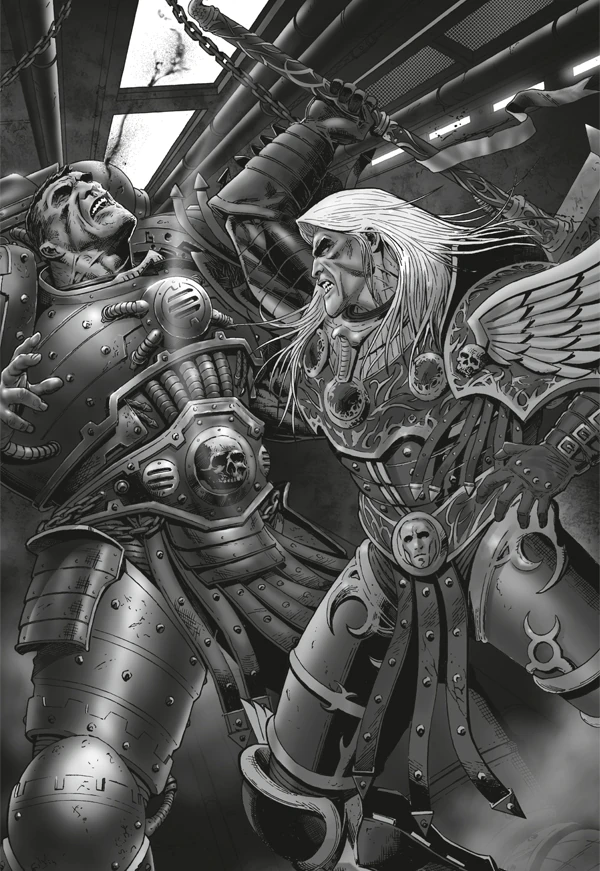
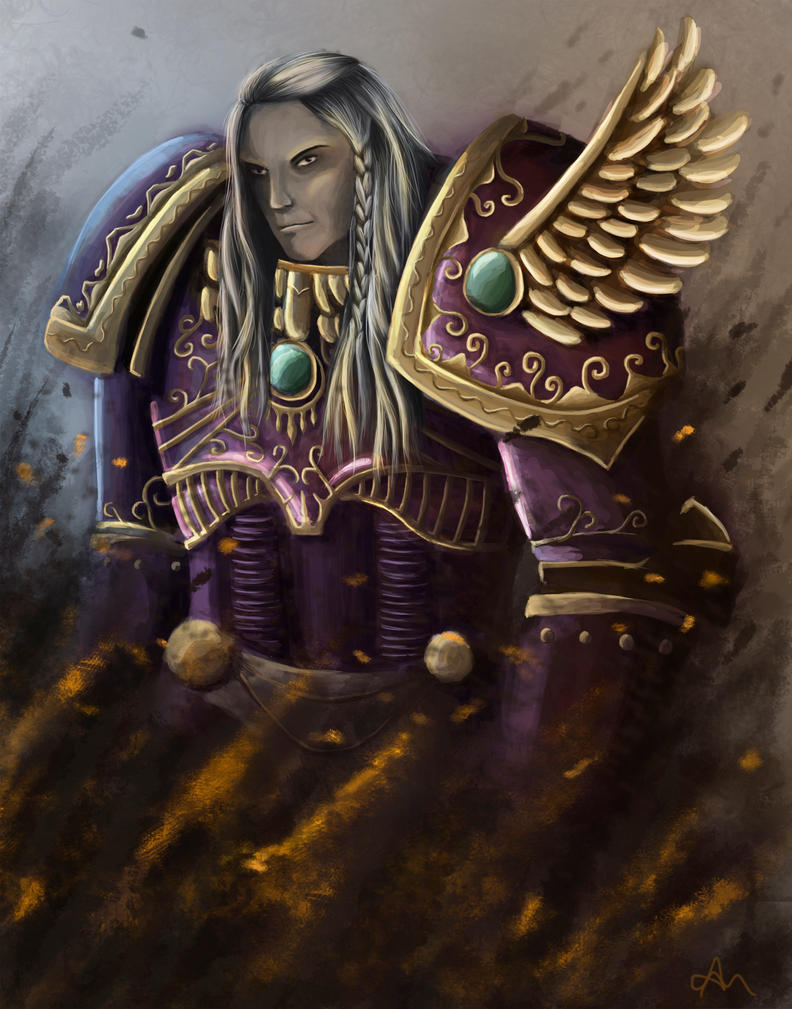
Emperor's Children Art by Kaiser

The amazing Kaiser did some artwork for me of a pre-heresy Emperor's Children.

I'm truly blown away with her work.  She's probably best known online for her work on the 40K imperial guard cartoon Eagle Ordinary.


She's also well known for many other amazing works of art from around the web.

Thanks Kaiser!!

Thursday, September 22, 2016

Slaanesh and the Dark Mechanicum

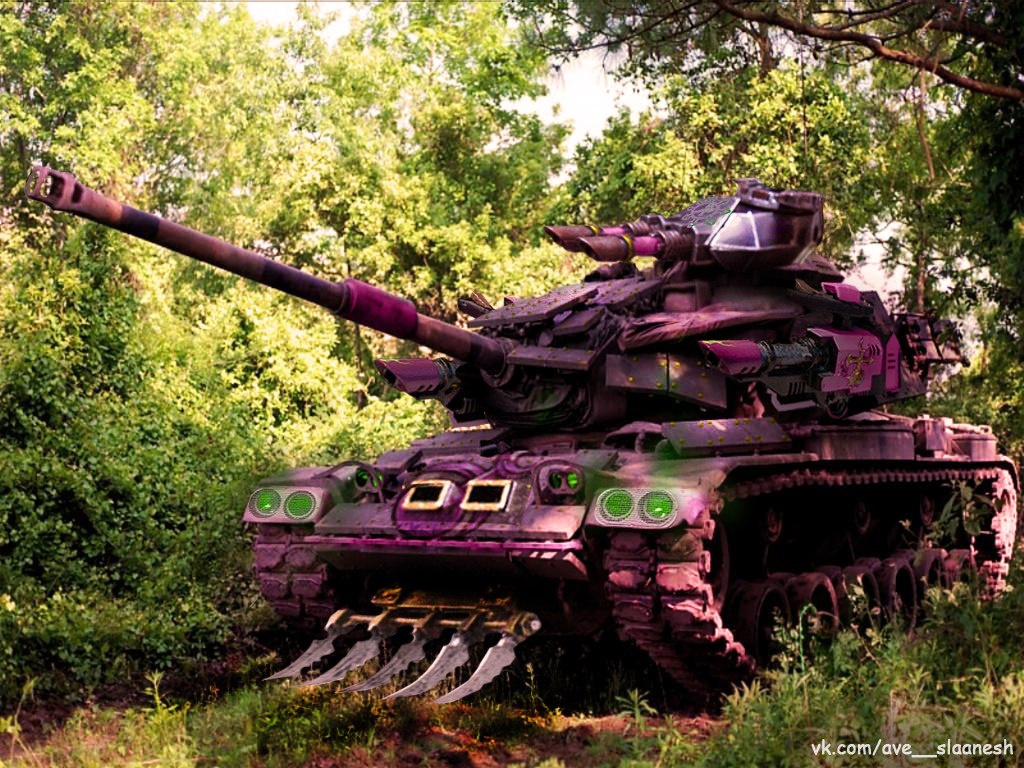
Warhammer - Brookline will be doing a kill team campaign starting at their opening on October 15, 2016.  I was going to use my Emperor's Children to make up a 40K space marines kill team, but now I'm thinking that I might do something a little different and opt for a Skitarii kill team instead.

As we know, the adeptus mechanicus is just as susceptible to the lure of chaos as any normal human.  Often in novels this is portrayed as an attack by chaos contaminated digital scrap code, in a manner akin to a computer virus.   


Still this raises the question, what appeal could the creed of a cosmic entity such as Slaanesh have to a computer cyborg?  Presumably, the appeal of the flesh have very little draw to a mechanized entity.  But then again, Space Marines are essentially immune to sexual attraction as well but they readily fell too.

Slaanesh isn't only about earthly sensual desires though.  His path is ultimately about the quest to achieve unlimited possibilities, complexity, pleasure and perfection in a physical material world.  While the adeptus mechanicus does not pursue sexuality, it does often pursue unlimited knowledge, without remorse or limitation.


In common, the creed of Slaanesh appears to dictate the following tenants to its adherents, whether Emperor's Children or Dark Mechanicum:

1. There is no inherent spirituality except as manifested through the material world.

2.  The material world has in it a teleological drive to improve and expand, akin to evolution.

3.  This drive is experiential and can be expressed through increased knowledge, complexity, experience, or pleasure as a path to greater awareness, development and awakeness.

4.  There should be no limitations placed on this drive, as progressing down its path is an unmitigated improvement.

5.  The goal of this drive is to achieve infinite possibilities and perfection.

Thursday, August 25, 2016

Tarot


Episode 66 of The Eye of Horus podcast recently compared the primarchs of the Horus Heresy with major arcana cards of the tarot.  The card compared with Fulgrim was the Empress. 

It does seem a good match for Fulgrim, all things considered.  While it's highly doubtful to me that the similarities are intentional, it certainly might be plausible that the primarchs represent certain indelible archetypes, which the tarot is also likely to tap into.

The Empress is described as sitting on a throne wearing a starry crown, holding a scepter in one hand.  She has the emblem of Venus, a starry crown, a throne in the middle of a field of grain, and a waterfall.

The Empress is a symbol of fertility, growth from the natural world, and what one knows from the heart.  She represents the concepts of:

mothering


  • giving birth
  • nourishing life
  • nurturing and caring for others
  • cherishing the world
  • expressing tenderness
  • working with children

welcoming abundance
  • enjoying extravagance
  • receiving lavish reward
  • luxuriating in plenty
  • having more than enough
  • feeling rich

experiencing the senses
  • giving and receiving pleasure
  • focusing on the body
  • appreciating beauty
  • feeling vibrantly healthy
  • being earthy
  • doing physical activity

responding to Nature
  • relating to plants and animals
  • embracing the natural
  • feeling connected to the Earth
  • going outdoors
  • harmonizing with natural rhythms

Friday, August 19, 2016

Thursday, August 18, 2016

28th Expedition

In the 203rd year of the Great Crusade, War Council logs indicated that there were:
  • 4,287 expedition fleets engaged in active exploration
  • 372 expedition fleets engaged in refit and repair
  • 60,000 (approx.) detached compliance groups involved in occupation and colonization
The 28th Expedition Fleet was commanded by Fulgrim. 


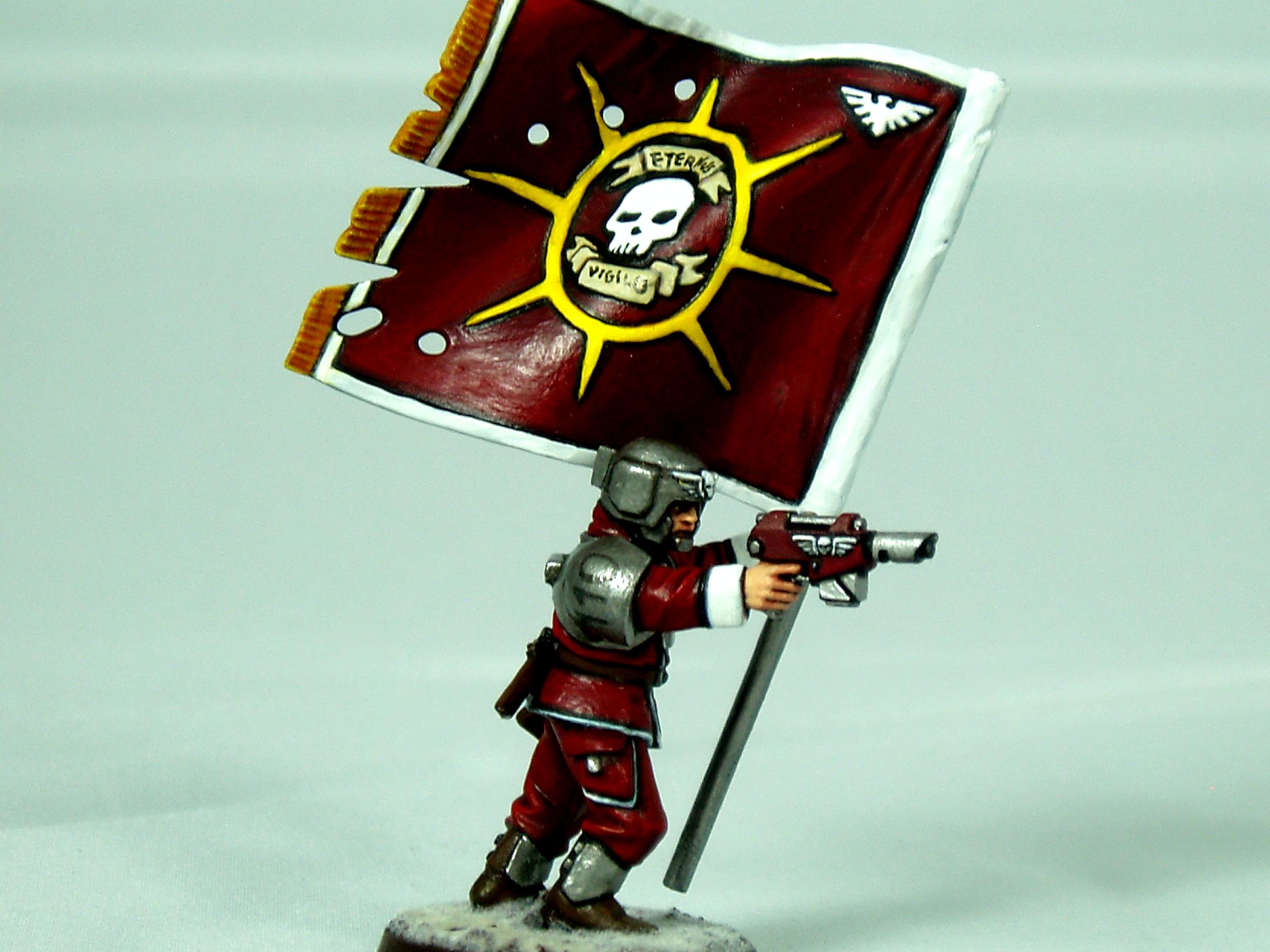
The name of the imperial army regiment accompanying the Emperor's Children were the Archite Palatines.  Their uniform consisted of red tunics and silver breastplate.


The Commander of the Archite Palatines was Thaddeus Fayle.  He was a stern man with a horribly scarred face, augmented with a steel plate that obscured the side of his head.  He was a skilled general, a blunt speaker and a ruthless, unforgiving soldier.


Presumably during the heresy the Palatines remained aligned with the Emperor's Children, eventually morphing with their remembrancers into their supporting masses of unaugmented human worshippers of Slaanesh.


Wednesday, August 17, 2016

Wolf and Sister


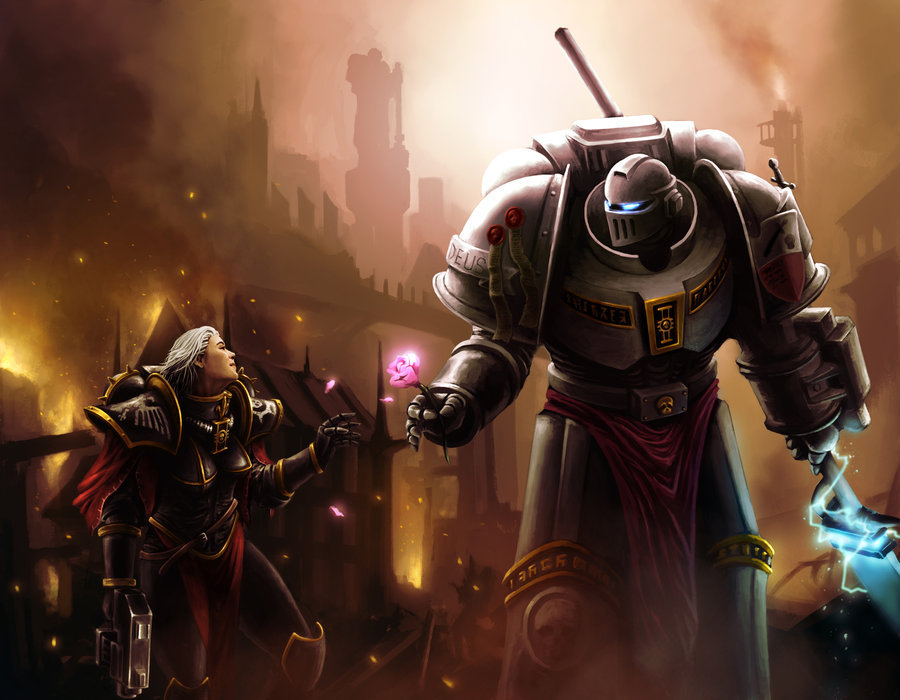
Wolf and Sister motion comic!  40K Space Wolves and Sisters of Battle vs. Emperor's Children.

Tuesday, July 12, 2016

The Inadequacies of Being a Space Marine

The Emperor bio-engineered the Space Marines to be the perfect soldiers.  They are immune to fear, untroubled with weaker emotions, and unflinching the face of destruction.  Taken as children at ages ten to fourteen, each Space Marine underwent a grueling trial and process to become the living man weapon that he is today.


What if anything was lost in the process?  Space Marines are no longer strictly speaking human.  They were granted powers and abilities far beyond that of mere mortals.  They do not seem to die by natural processes, are spared the indignity and feebleness of old age, and are immune to normal disease.


Along with the undeniable gifts, the process also expunges many irreplaceable, essential human qualities.  A Space Marine loyal to the Imperium cannot love and cannot feel romantic desire.  He is effectively castrated, and cannot have children.  He is destined to be a killer and a destroyer.  He is not allowed to remain peacefully on his own planet, but is required to raze and conquer other worlds, whose sole sin may be to wish to be left alone and govern themselves.  He must further commit genocide in Terra's name, because his master deems Xenos too different and imperfect to co-exist with in the galaxy.  

He is effectively rendered into a human lab rat, so Apothecaries can mutate his body to sprout additional organs and glands in accordance with a barely understood or controlled science.  In the case of Space Marines with tainted gene seed, they may also be subject to the dark spectre of genetic defects such as the curse of the wulfen or the red thirst.  These choices were effectively taken away from a Space Marine before he was of the age to properly appreciate or consent to the change.  Every Space Marine is essentially a child soldier, preordained through genetic manipulation to be a murderer.  


The Emperor's Children are unusual post heresy insofar as they have chosen to no longer follow the blueprint laid upon them by the false Emperor.  They choose their own desires and plot out their own destinies.  No longer confined to the restraining orbit of the Emperor's pre-programmed pathways for his own benefit, the Emperor's Children are free to seek their own evolution and improvement as they may independently see fit . . . . whether that is in the form of ultimate experiential hedonism, artistic complexity, martial perfection or otherwise.    

Monday, July 11, 2016

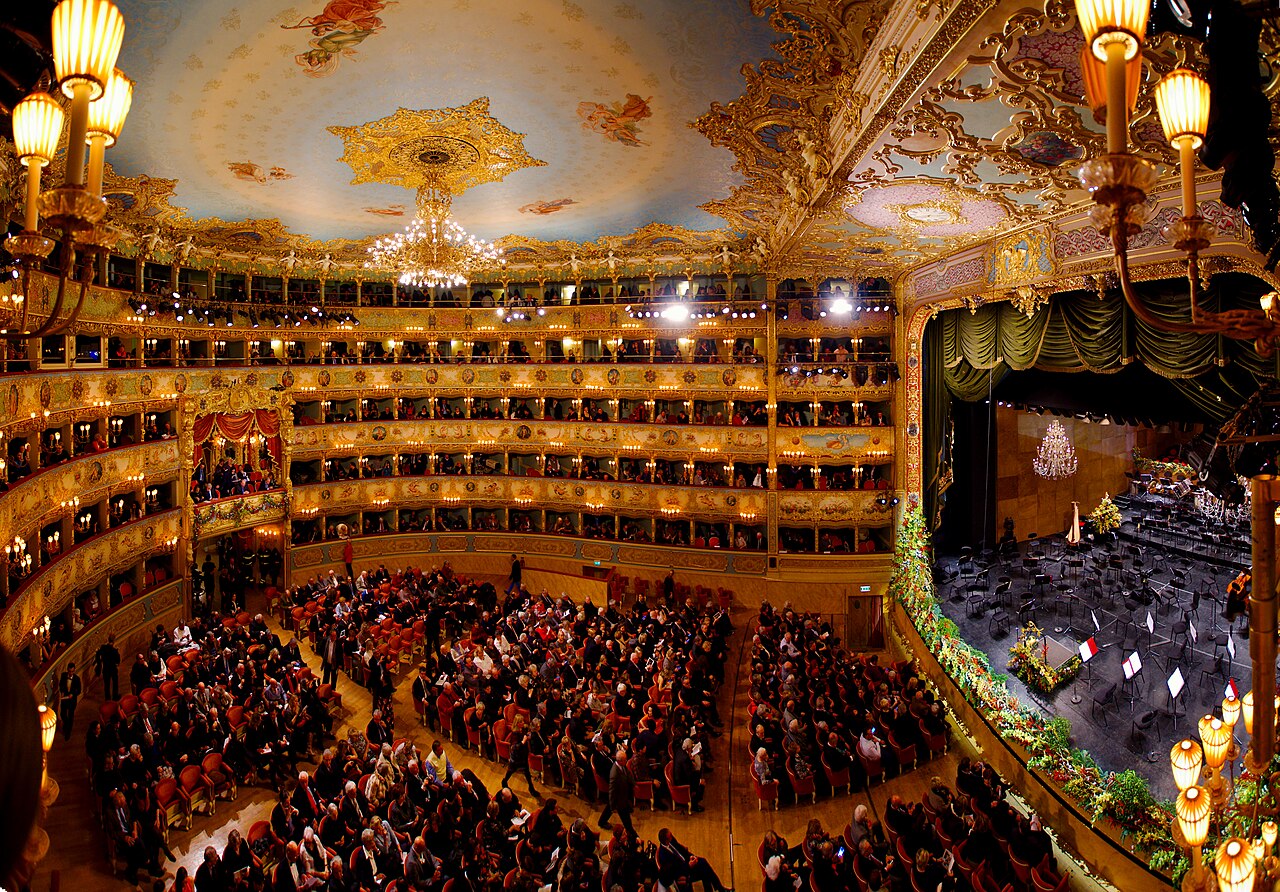
La Fenice


Teatro La Fenice (meaning "the Phoenix") was originally an opera house in Venice, Italy. It is one of "the most famous and renowned landmarks in the history of Italian theatre", and in the history of opera as a whole. Especially in the 19th century, La Fenice became the site of many famous operatic premieres at which the works of several of the four major bel canto era composers—Rossini, Bellini, Donizetti, and Verdi were performed.

Its name reflects its role in permitting an opera company to "rise from the ashes" despite losing the use of three theatres to fire, the first in 1774 after the city's leading house was destroyed and rebuilt but not opened until 1792; the second fire came in 1836, but rebuilding was completed within a year. However, the third fire was the result of arson. It destroyed the house in 1996 leaving only the exterior walls, but it was rebuilt and re-opened in November 2004.

The La Fenice in Fulgrim's flagship, Pride of the Emperor, is of course a direct reference to the La Fenice in Venice.

http://www.teatrolafenice.it/site/index.php

Wednesday, June 29, 2016

Picking a 30K Army?


Here's a short summary of the Horus Heresy legions, to help newcomers pick an army!

Legion I: Dark Angels


Primarch: Lion El'Johnson
30K Colors: Black
40K Colors: Dark Green
Summary: Knights with mysterious loyalties.

Legion II: Unknown

Legion III: Emperor's Children


Primarch: Fulgrim
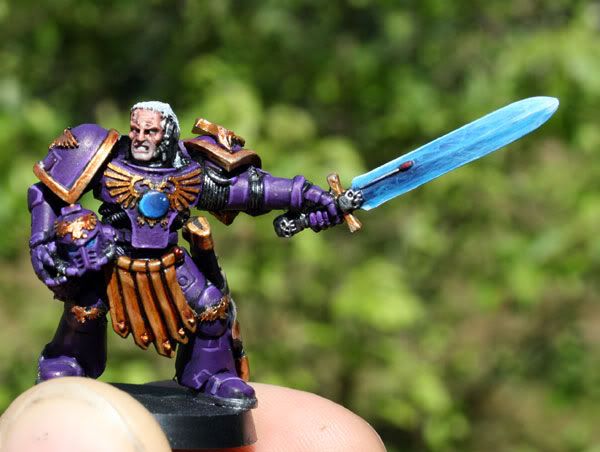
30K Colors: Purple
40K Colors: Magenta
Loyalist or Traitor:  Traitor (Slaanesh)
Summary: Previously elitist aristocracy.  Later lurid hedonists.

Legion IV: Iron Warriors

Primarch: Perturabo
30K Colors: Black and Yellow
40K Colors: Black and Yellow
Loyalist or Traitor:  Traitor
Summary: Siege specialists.

Legion V: White Scars

Primarch: Jaghatai Khan
30K Colors: White and Red
40K Colors: White and Red
Loyalist or Traitor:  Loyalist
Summary: Mongolian bikers.

Legion VI: Space Wolves

Primarch: Leman Russ
30K Colors: Grey
40K Colors: Slate Blue
Loyalist or Traitor:  Loyalist
Summary:  Viking Werewolves.

Legion VII: Imperial Fists

Primarch: Rogal Dorn
30K Colors: Yellow
40K Colors: Yellow
Loyalist or Traitor:  Loyalist
Summary:  Faithful Guardians.

Legion VIII: Night Lords

Primarch: Konrad Curze
30K Colors: Dark Blue and Red
40K Colors: Dark Blue and Red
Loyalist or Traitor:  Traitor
Summary:  Psychopathic Batmen.

Legion IX: Blood Angels

Primarch: Sanguinius
30K Colors: Red
40K Colors: Red
Loyalist or Traitor:  Loyalist
Summary:  Angelic Vampires.

Legion X: Iron Hands

Primarch: Ferrus Manus
30K Colors: Black
40K Colors: Black
Loyalist or Traitor:  Loyalist
Summary:  Grim Cyborgs.

Legion XI: Unknown

Legion XII: World Eaters

Primarch: Angron
30K Colors: White and Blue
40K Colors: Red and Gold
Loyalist or Traitor:  Traitor (Khorne)
Summary:  Blood thirsty berserkers.
How to Paint

Legion XIII: Ultramarines

Primarch: Roboute Guilliman
30K Colors: Blue
40K Colors: Blue
Loyalist or Traitor:  Loyalist
Summary:  Disciplined Strategists.
How to Paint

Legion XIV: Death Guard

Primarch: Mortarion
30K Colors: White and Green
40K Colors: White and Green
Loyalist or Traitor:  Traitor (Nurgle)
Summary:  Previously stalwart footsoldiers.  Later diseased plague bearers.
How to Paint

Legion XV: Thousand Sons


Primarch: Magnus the Red
30K Colors: Red
40K Colors: Blue and Gold
Loyalist or Traitor:  Traitor
Summary:  Egyptian wizards.

Legion XVI: Sons of Horus

Primarch: Horus
30K Colors: Sea Green
40K Colors: Black
Loyalist or Traitor:  Traitor
Summary:  Urban gang members.  Leaders of the Heresy.
How to Paint

Legion XVII: Word Bearers

Primarch: Lorgar
30K Colors: Dark Red
40K Colors: Dark Red
Loyalist or Traitor:  Traitor
Summary:  Religious zealots.
How to Paint

Legion XVIII: Salamanders

Primarch: Vulkan
30K Colors: Green
40K Colors: Green
Loyalist or Traitor:  Loyalist
Summary:  Coal skinned optimists from volcanic planet.

Legion XIX: Raven Guard

Primarch: Corax
30K Colors: Black
40K Colors: Black
Loyalist or Traitor:  Loyalist
Summary:  Stealthy strike force.

Legion XX: Alpha Legion

Primarch: Alpharius / Omegon
30K Colors: Blue Green
40K Colors: Blue Green
Loyalist or Traitor: Traitor
Summary:  Deceptive masterminds.


Friday, June 24, 2016

Top 5 reasons to pick the Emperor's Children


1. They are sophisticated, refined and aristocratic


Having its origin in the patricians of Europa, the III Legion has always placed an emphasis on aesthetics and nobility.  While remembrancers were generally disliked by the Primarchs and the Astartes during the Great Crusade, the Emperor's Children alone recognized that the development of artistry was as important to the life of a warrior as was training in the arts of war.

2. Fulgrim


Fulgrim is one of the most fascinating and colorful Primarchs in the Horus Heresy.  He was one of the first to flock to Horus' side and one of the first to grasp the infinite possibilities offered by Chaos to humanity, ascending to immortal Daemon Prince status in Amon ny-shak Kaelis.  Brother Primarchs Ferrus Manus and Roboute Guilliman were slain by his hand.

3. Their style of war is elegant and decisive


The III Legion's style of war is unique.  They are decisive on the charge, striking quickly, breaking their foes and slicing them down as they run.

4. They have a compelling story to tell


The story of the Emperor's Children is a tragic one.  The transformation of the Legion is one from nobility and perfection to a lurid host consumed by experiential passion.  From the start of the Heresy the Emperor's Children play a central role, including such iconic moments such as Murder, Isstvan III, Isstvan V, and the Siege of Terra.

5. They provide color and pageantry to a gaming table


The Horus Heresy armies are largely a somewhat drab lot.  Most armies are colored muted shades of black, grey or white.  The Emperor's Children have no such restrictions, and provide their players with unparalleled opportunities for creativity.